



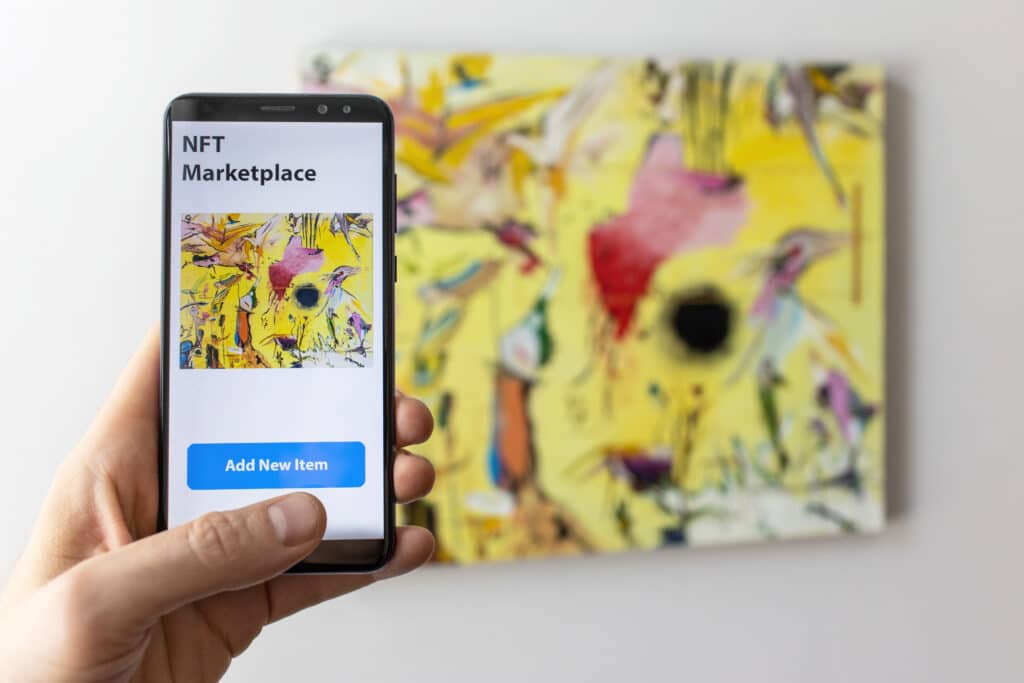
The NFT market attracts investors with high returns and digital hype – and thus also attracts organized crime, which deliberately defrauds investors of their investments.
Non-fungible tokens – or NFTs for short – have experienced unprecedented hype in recent years. Digital artworks, collectibles, and virtual properties have been traded for millions. This attention has also attracted fraudsters. NFT scams in the form of rug pulls, fake platforms, and imitation collections have resulted in losses for countless investors. This article explains how the most common NFT scams work and what victims can do to protect themselves.
What are NFTs and why are they a popular target for fraud?
NFTs are unique digital assets verified on a blockchain. Unlike traditional cryptocurrencies, NFTs are not interchangeable – each token represents a specific digital object. These can be works of art, music, game items, or virtual real estate.
The NFT market is largely unregulated, fast-paced, and characterized by high levels of speculation. These characteristics make it particularly vulnerable to fraud: new projects emerge daily, quality control is lacking, and investors often make decisions under time pressure. Furthermore, NFT transactions on the blockchain are irreversible.
Fake NFT projects deliberately exploit these conditions. With professionally designed websites, active social media channels, and an established community, perpetrators feign legitimate projects – until they disappear with the investors' money.
Rug Pull: When NFT projects suddenly disappear
A Rug Pull A hard rug pull describes the sudden disappearance of an NFT project after investors have invested money. Figuratively speaking, the perpetrators pull the rug out from under the investors' feet. In a hard rug pull, the developers abruptly abandon the project, taking all the assets with them. In a soft rug pull, this happens more slowly: the project is abandoned piecemeal, developers become increasingly difficult to reach, and roadmap promises are not kept.
Well-known rug pulls have demonstrated how quickly even seemingly reputable projects can turn into fraudulent schemes. In some cases, law enforcement agencies – supported by blockchain forensics – have identified and prosecuted perpetrators.
The funds collected in a rug pull flow into the perpetrators' wallets and can be traced via the blockchain. Every transaction is permanently documented, and forensic analysts can reconstruct the flow of funds step by step.
Overview of other NFT scams
Fake NFT marketplaces: Perpetrators create copies of well-known NFT platforms. Victims connect their wallets to these fake sites, unknowingly granting access to all their crypto assets. Within seconds, all assets are transferred.
Wash trading: Developers repeatedly buy and sell their own NFTs to artificially inflate trading volumes and prices. Unsuspecting investors buy in at inflated prices before the price crashes.
Phishing attacksUsers are lured to fake websites via fraudulent emails, Discord messages, or social media direct messages. There, they are asked to enter their wallet login credentials or authorize a transaction that grants the perpetrators full access to the wallet.
How blockchain forensics helps in NFT fraud cases
NFT transactions are also fully recorded on the blockchain – with complete transparency on Ethereum and other compatible networks. Forensic experts can analyze the entire transaction history of an NFT project: from token creation and all sales to the liquidation of the perpetrators' wallets.
In rug pulls, it's often possible to trace when and to which wallets the collected funds were transferred. If these wallets are connected to well-known exchanges, freeze requests can be submitted. Smart contract analysis can also reveal whether manipulative mechanisms were already embedded in the project's code.
Crypto Investigation conducts NFT-specific blockchain analyses and prepares court-admissible expert reports for Criminal charges and civil proceedings.
Smart Contract Analysis: Uncovering Fraud in the Code
In NFT fraud, the smart contract is often the core of the manipulation. So-called honeypot functions can be embedded in the code, allowing the purchase but not the sale of tokens. Admin functions can allow the developer to withdraw all funds from a liquidity pool at any time – without the investors' knowledge.
Forensic experts with smart contract expertise can identify and document these functions in the code. Such evidence is strong in criminal and civil law contexts, as it demonstrates that the intent to defraud was already present when the project was created.
Crypto Investigation possesses the necessary technical expertise for smart contract analysis. If you have fallen victim to an NFT scam and suspect that the project's smart contract was manipulatively designed, please get in touch.
When is forensic support worthwhile in cases of NFT fraud?
Forensic support is worthwhile in any NFT fraud case involving measurable financial damage. Especially in rug pulls, where many victims are affected simultaneously, combined forensic analyses and joint filings can significantly strengthen the investigative basis. Contact Crypto Investigation for a free initial assessment.
Conclusion: NFT fraud is a criminal offense and subject to forensic prosecution.
The NFT market is dynamic and fast-paced – but not without legal recourse. NFT fraud typically constitutes fraud, computer fraud, or investment fraud. Blockchain forensics can seamlessly reconstruct transaction chains and identify perpetrator wallets. Anyone who has fallen victim to NFT fraud should act immediately and seek professional assistance.
Krypto Investigation accompanies victims through the entire forensic and legal process – from initial analysis to cooperation with law enforcement agencies.
FAQs – Frequently Asked Questions about NFT Fraud
Can I, as a victim of NFT, claim a refund?
In some cases, yes. If perpetrators are identified and assets can be frozen, a refund is possible. The success rate depends on how quickly action is taken and whether the coins have already been completely obfuscated.
When should I seek professional forensic help in cases of NFT fraud?
Immediately after noticing the fraud. The sooner transaction traces are secured and analyzed, the higher the chances of forensic resolution. Contact Crypto Investigation for an initial free assessment.
What is the difference between a rug pull and an exit scam?
Both terms describe similar forms of fraud. A rug pull refers specifically to NFT or DeFi projects where developers abandon the project and take the funds. An exit scam can also encompass other contexts.
Can I detect a rug pull in advance?
In some cases, yes. Warning signs include: an anonymous development team, an unverifiable smart contract, unrealistic roadmap promises, a short project history, and artificially generated hype. A smart contract audit by independent auditors can also provide clues.
Which platforms are most frequently affected by NFT fraud?
NFT fraud occurs on all major blockchains: Ethereum, Solana, BNB Chain, and others. Discord servers used by legitimate NFT communities are also popular targets.
Is NFT fraud a criminal offense in Germany?
Yes. NFT fraud can fulfill the elements of fraud under Section 263 of the German Criminal Code (StGB), computer fraud under Section 263a of the German Criminal Code (StGB), and in certain cases, investment fraud under Section 264a of the German Criminal Code (StGB).
Can a smart contract be forensically analyzed?
Yes. Smart contracts are publicly viewable on the blockchain and can be analyzed by experts. This makes it possible to determine whether the code contains manipulative functions – such as a honeypot function or an admin function that allows perpetrators to withdraw all funds at any time.
What is wash trading in NFTs?
Wash trading refers to the simultaneous buying and selling of the same asset to generate artificial trading volumes. Perpetrators can trade their own NFTs between their own wallets to simulate high prices and activity.
How do I protect my wallet from phishing?
Never connect your wallet to unknown websites. Always carefully check a website's URL. Use a separate wallet for smaller NFT transactions and enable all available security features.
Could NFT marketplaces themselves be involved in fraud?
In some cases, NFT platforms have faced inadequate verification, allowing fraudsters to release fake versions of well-known collections. Verified collections on established platforms are generally safer.