



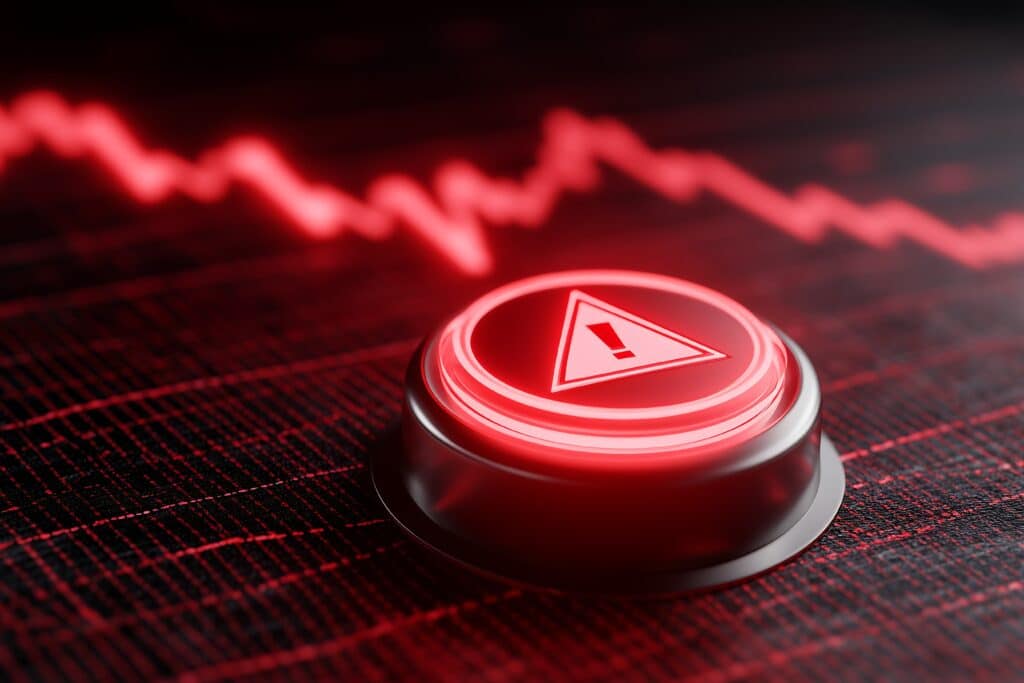
Fake trading platforms deceive with professional interfaces and manipulated profit displays – those who recognize the signs in time can prevent worse things from happening.
Every year, thousands of people lose significant sums of money to fake crypto brokers. These platforms appear professional at first glance: customized design, real-time charts, customer service, and even apparent returns displayed in the account. What lies behind this facade is pure fraud. This article explains how fake crypto brokers operate, how to recognize them, and what victims can do after a loss.
What are fake brokers in the crypto sector?
Fake brokers are counterfeit or unlicensed cryptocurrency trading platforms that mimic the appearance of a legitimate broker. Unlike genuine, regulated brokers, they do not conduct real trading. The displayed account balances and profit data are simulated. Deposited funds are directly transferred to the perpetrators' wallets.
These platforms are often technically sophisticated. They use stolen brand identities of well-known brokers, create similar-sounding domain names, and imitate the design of legitimate platforms. Sometimes they even display fake regulatory seals and license numbers that cannot be verified by regulatory authorities.
Fake brokers are often operated as part of larger fraud networks. They work closely with perpetrators who recruit victims via social media, dating platforms, or cold calls.
Typical tactics of fake brokers
The initial contact is often unsolicited: a call from a financial advisor, an advertisement on social media, or a recommendation from an online acquaintance. The contact person appears professional and competent. They explain an investment strategy, show calculation examples, and promise attractive returns with manageable risk.
The victim is asked to open an account on the platform and deposit a small initial amount. This test trade seems to work – the account balance increases. Encouraged, the victim invests more. When the victim tries to withdraw their money, they suddenly encounter withdrawal restrictions, alleged tax liabilities, or additional fees.
As soon as the victim stops making further deposits or insists on a refund, contact ceases. The platform disappears, the contact persons become unreachable, and the deposited amounts are gone.
Warning signs: How to recognize a fake broker
The most important warning sign is missing or incorrect proof of regulatory compliance. Reputable brokers require a license from the relevant financial supervisory authority – in Germany, BaFin. Check whether the broker is listed in the public registers. BaFin regularly publishes warnings about unlicensed providers on its website.
Other warning signs include: unrealistic promises of winnings, pressure for quick deposits, missing legal information, recently registered domain names, and customer service exclusively via messenger app. Fake reviews on supposedly independent platforms can be another indicator.
If a broker doesn't allow withdrawals without additional fees or suddenly demands taxes that were never mentioned before, that's a clear sign of fraud. Reputable platforms never require upfront payments to withdraw your own funds.
What victims can do after a fake broker scam
The first step is to secure all evidence: screenshots of the platform, transaction records from your own cryptocurrency exchange, all communication with the alleged broker, and all wallet addresses used. This data forms the basis for the forensic analysis and the Criminal charges.
File a criminal complaint immediately with the relevant police station or public prosecutor's office. Also report the matter to BaFin (the German Federal Financial Supervisory Authority) and, if applicable, to the financial supervisory authority of the country from which the platform operates. The more authorities that are informed, the greater the chance of international cooperation in the investigation.
In parallel, commission a Forensic blockchain analysis. Crypto investigation can trace transaction paths, identify target wallets, and report on platforms. Freeze requests Position yourself. Act quickly – the longer you wait, the higher the probability that coins will be obfuscated or moved on.
Crypto forensics in fake broker fraud cases: How to trace leads
All transactions processed through a fake crypto platform leave traces on the blockchain. Forensic experts trace this chain: from the victim's deposit, through any intermediary wallets, to the perpetrators' destination addresses. Every step is documented and recorded in a court-admissible report.
If the target addresses are linked to a regulated cryptocurrency exchange, the chances of identifying the perpetrator increase significantly, as regulated platforms are obligated to cooperate with law enforcement. Freeze requests can then be submitted directly to these platforms.
Additionally, the crypto investigation uses OSINT methods, to analyze fake platforms, their domain data, hosting infrastructure, and technical connections. This information can be crucial for identifying the individuals behind the fake broker.
When is forensic support worthwhile in cases of fake broker fraud?
Forensic support is worthwhile in any case where cryptocurrencies were deposited via a fake platform. The benefit is particularly high if the stolen amounts have not yet been completely concealed. Professional forensics can also establish connections between different victims of the same criminal network, thus significantly broadening the investigative basis.
Crypto Investigation can handle communication with authorities and crypto platforms upon request. This saves time, increases efficiency, and ensures that all measures are carried out in the correct order and with the necessary expertise.
Conclusion: Fake crypto brokers – acting early makes the difference
Fake crypto brokers are professionally organized and technically sophisticated. Victims often take too long to realize they've been scammed – giving the perpetrators valuable time. However, those who recognize the warning signs and act quickly in case of fraud increase their chances of recovery. Recovery significant.
Crypto forensics makes it possible to trace stolen coins in many cases. Crypto Investigation assists victims from the initial analysis to cooperation with law enforcement.
FAQs – Frequently Asked Questions about Fake Crypto Brokers
How do I check if a crypto broker is reputable?
Verify the license on the website of the relevant financial supervisory authority (in Germany: BaFin). Search for the exact company name and license number. Also, check the legal notice (Impressum) and domain registration. Fake platforms often have very new domains and missing or incorrect legal notice information.
Can BaFin help to get money back?
BaFin is a supervisory authority, not an enforcement body. It can issue warnings and initiate investigations, but direct refunds are not within its remit. Law enforcement agencies and forensic experts are responsible for recovering funds.
What do I do if the platform is no longer accessible?
Secure all available data immediately: screenshots, transaction records, emails, and wallet addresses. Even a vanished platform leaves transaction traces on the blockchain. File a police report immediately and contact crypto forensic experts.
Why do fake brokers demand taxes before payout?
This is a classic scam. The alleged tax liabilities don't exist – they serve to extract further payments from the victim. Legitimate platforms do not process tax payments directly and do not require upfront payments for the withdrawal of your own deposits.
Could banks also be involved in the fraud?
In some cases, victims are asked to use bank accounts in other people's names or to transfer money through intermediaries. This can make the victim complicit in money laundering. Have such matters reviewed by a lawyer immediately.
How long does a forensic analysis take?
An initial assessment can be completed within a few days. Depending on the complexity, a full forensic report typically takes two to six weeks. The more transactions and wallets involved, the more extensive the analysis.
Can I track transactions myself?
Public blockchain explorers allow users to look up individual transactions. However, for a legally admissible analysis that fully documents transaction chains, specialized software and expertise are required.
Are there government compensation funds for victims of crypto fraud?
No, there is no state compensation fund specifically for crypto fraud in Germany. Options include: compensation from identified perpetrators or the return of frozen coins after a court ruling.
What does KYC mean and why is it missing in fake brokers?
KYC stands for Know Your Customer and refers to the obligation of regulated financial service providers to verify the identity of their customers. Fake brokers forgo KYC because they want to conceal their own identity and do not comply with regulatory requirements.
When is professional forensic support worthwhile?
Whenever cryptocurrencies have been transferred to a fraudulent platform and measurable damage has occurred, the sooner you act, the better your chances of recovery. Contact Crypto Investigation for a free initial assessment.