




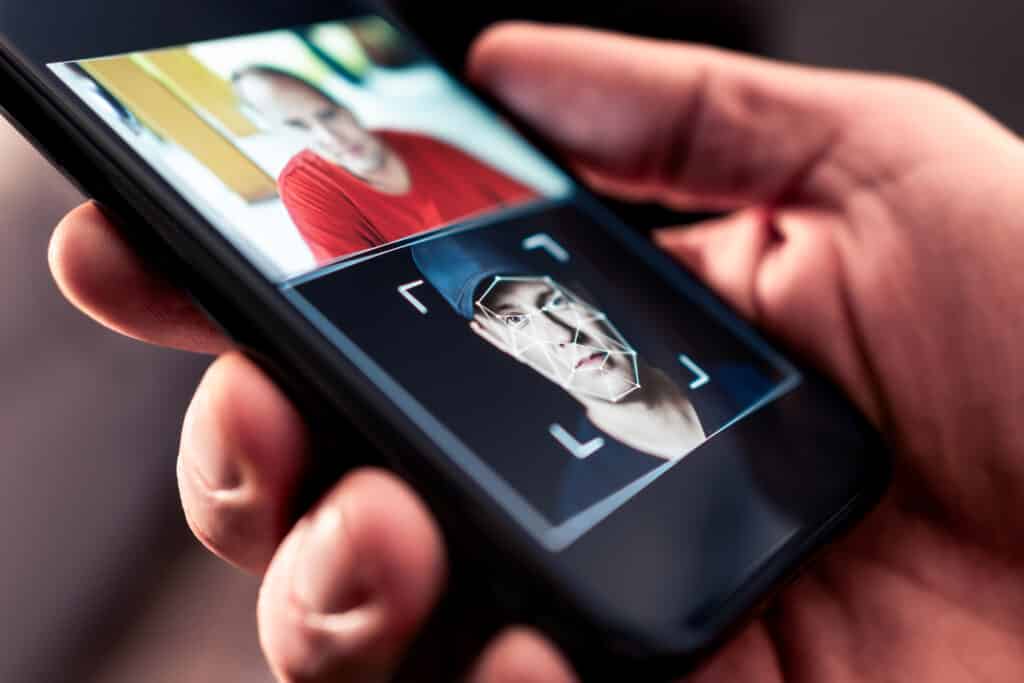
The platform required verification, just like legitimate providers do. A photo of the front, one of the back, a selfie holding the ID, and sometimes a short video showing head movements. Everything seemed normal because it's standard practice with reputable companies. Only later did it turn out that the platform didn't exist.
This raises a question that worries many affected individuals more than the financial loss: What happens to this data now? The answer is unpleasant, but it leads to concrete steps. And it is less dramatic than the idea of a complete loss of identity might suggest.
Crypto Investigation supports victims whose identity data, along with their money, has been stolen. This article describes what such data is used for, which reports and account blocks are advisable now, and how you can protect yourself in case claims surface months later.
The most important information at a glance
- Typical uses: Opening accounts and trading accounts in your name, using them as a pass-through account for other people's money, loan applications, and reselling the data records.
- Immediate action is recommended: have the online ID function blocked, file a report and keep the case number, and report the identity theft to credit agencies.
- Not possible: A national identity card cannot be blocked like a bank card. Protection comes from reporting, documentation, and vigilance.
- Documentation: Keep a record of when you sent what information to whom. This is exactly what you will need if a claim arises later.
- Later: Never ignore demands arising from contracts you never entered into. Object in writing and refer to the advertisement.
- Video and selfie: Even moving images can be misused for verification purposes. That's one more reason to report it early.
ID card sent to fraudsters: What happens to the data?
Copies of identification documents are a commodity in their own right for fraud networks. They are not necessarily used against you personally, but rather wherever an identity is required.
The most common purpose is to open accounts. These can be trading accounts at cryptocurrency exchanges, payment accounts with providers offering simplified verification processes, or accounts at banks with purely digital procedures. These accounts then serve as conduits for other victims' funds. This creates the risk for you that an account in your name will surface during an investigation.
A second purpose involves contracts and loans: mobile phone contracts, installment purchases, and small loans from providers with fast processing. A third is simply resale. Complete data sets, including ID photos, selfies, and addresses, are traded on closed channels, often long after the actual incident.
And yes, selfies and short videos are also admissible as evidence. Procedures that compare a person to a document can be challenged using existing visual material. This is no reason to panic, but it is a reason to document the incident before anything happens.
Preventing identity theft: What you should do now
Have the online ID function blocked
Your identity card contains an electronic identification function. You can have this function blocked if you suspect your data is being misused. The emergency blocking hotline is responsible for this, as is your identity card issuing authority. You should have the blocking password from your PIN letter or your identity card details ready. The block affects electronic use, not the document itself.
File a report for identity theft
In this situation, filing a police report is more important than in many others. It serves as proof that you reported the abuse before third parties could make claims. In your report, explicitly state which documents were submitted, to whom, and when. Keep the file number somewhere you can easily find it a year from now.
Report suspected identity theft to credit agencies
Credit bureaus offer the option of reporting suspected identity theft. Inquiring companies will see this report and conduct a more thorough review. The procedure varies depending on the credit bureau and should be clarified directly with them. At the same time, request a copy of your own credit report to see if any inquiries or contracts are already listed that did not originate from you.
Inform banks and platforms about identity card misuse
If you know which platforms you've verified with the same documents on, inform them. A brief notification to your bank is advisable so any unusual activity is noticed. Also, change your passwords everywhere you use the same email address and activate a second layer of security.
How to recognize subsequent identity theft
Identity theft often goes unnoticed for a while. Pay attention to mail from debt collection agencies, contract confirmations for services you didn't order, bank account opening confirmations, and inquiries regarding your personal data. Review your personal data regularly during the first twelve months.
Video identification and deepfakes: the underestimated risk
Many people are reassured if they have only submitted photos and not a video. This reassurance is only partially justified. Procedures that compare a person with a document work with visual material, and existing visual material can be further processed.
In practical terms, this means that a good-quality ID photo, supplemented by a selfie, is already a usable basis for automated verification with providers that have weak verification procedures. Providers with stricter procedures detect such attempts more frequently, but not always. This explains why accounts in other people's names continue to be created despite elaborate verification processes.
This is no reason to panic, but it does create a clear priority. The sooner the misuse is documented, the better off you will be later. Filing a police report, notifying the credit agencies, and keeping your own records all serve precisely this purpose: they prove that your data was leaked at a specific time and in a specific context, before anyone used it.
It's also important to consider how you handle your photos in the future. Only submit identification documents through processes you have initiated yourself, never via a messenger app, and never as a reply to an incoming message. Reputable providers conduct verification within their own application, not in chat.
Claims of identity theft: how to react correctly
The most important rule is: don't ignore it. A claim arising from a contract you never entered into doesn't disappear simply because you don't respond. It becomes a payment order, and an uncontested payment order becomes enforceable.
Submit your objection in writing and within the deadline. Explain that no contract was formed, refer to the advertisement with its file number, and request information about the details of the contract. Keep a copy of your letter and proof of postage. A short deadline applies to court-issued payment orders, which must be strictly adhered to.
If an account in your name appears in an investigation, for example, because funds belonging to other victims were channeled through it, you should seek legal counsel. This situation is unpleasant, but not uncommon. We describe how this can happen in the article about how fraud victims can... inadvertently caught up in a money laundering investigation.
Proving ID card misuse: What you should document now
The more time passes, the harder it becomes to prove that your data was leaked at that time and in connection with this incident. Therefore, documentation is more important now than later.
Save the entire chat history with timestamps, the verbatim text of the verification request, the exact spelling of the website address, screenshots of the upload page, and, if available, the confirmation email. Record which files you uploaded and when. Note the names, phone numbers, and profile names of the people involved.
These documents are also useful for later forensic work. The same platforms and contact patterns are often found in the cases of other victims, which supports the evidence of an organized approach.
Did you send your ID to a fraudster? Have your case investigated.
You have submitted identification data and are unsure how serious the situation is or what steps should be taken in your case? We will assess the situation, examine the evidence related to the payments, and advise you on which reports are advisable.
Use the form for the free initial assessment on our website. Please briefly describe which documents were submitted and when.
FAQ: ID card sent to scammers
Can I have my identity card blocked?
The document itself cannot be blocked. The electronic identity function can be blocked via the emergency blocking hotline or the identity card authority. Have the blocking password from the PIN letter or your ID card details ready.
Should I apply for a new ID card?
A new document does not invalidate previously submitted copies, as the personal data remains the same. However, it is advisable in some cases because the ID number and validity period may change. Discuss this with your issuing authority.
What happens to my selfie?
It can be used for verification procedures that compare a person with a document. That's why early disclosure is important: it documents that the material was not voluntarily used for later account openings.
Do I have to pay anything if someone signs a contract in my name?
A contract is not legally binding unless you have entered into it. However, you must object, in writing and within the prescribed time limit. In the case of a court-issued payment order, a short deadline applies, which must be strictly observed.
How can I tell if my identity is being misused?
Pay attention to mail from debt collection agencies, confirmations for unsolicited services, account opening confirmations, and any unfamiliar inquiries in your self-disclosure statement. Check your self-disclosure statement regularly during the first year.
Does reporting something to credit agencies really help?
It doesn't prevent abuse, but it does encourage requesting companies to scrutinize requests more closely. Combined with the advertisement, it also serves as proof that you reacted promptly.
What if my account is suddenly blocked?
This can happen when funds belonging to other victims have been processed through an account. Do not react with further transactions, but clarify the situation and seek legal counsel.
Is it possible to track who is using my data?
Direct evidence is rare. Tracing the payment flows is possible, and this often leads to the same structures used to process claims from other victims. This supports the evidence of an organized scheme.
How long should I keep the documents?
At least several years. Claims often surface with a considerable delay, and then the documented connection to the original incident is your most important argument.
Should I contact the platform again?
No. Contacting them again will almost always only lead to further demands, such as for alleged releases or fees. Instead, contact the police, credit agencies, and your bank.
Note: This article is for general information purposes only and does not replace legal advice in individual cases. Crypto Investigation is a forensic service provider and not a law firm.